Category Archives: Research

Management Scholars Discover Climate Change (too late!)

Recently, Daniel Nyberg and I were invited to contribute a short essay to the Journal of Management Inquiry as part of a themed discussion on ‘Climate Action Research: What’s Holding Us Back?’. Our contribution is reproduced below and argues that business and management scholarship has been particularly slow in focusing on the issue of anthropogenic climate disruption. In the essay we outline why this is and the need for management scholars to broaden their perspective on the relationship between corporate capitalism and the existential threats that humanity now faces in the climate era.

Confronting the Big Picture: Climate Change, Capitalism, and Management Scholarship

Christopher Wright and Daniel Nyberg

The neglect of climate change in business and management research has been a long-term trend (Goodall, 2008Nyberg & Wright, 2022a). Yet, in the last few years it seems management scholars have finally recognized climate change as an issue of concern. Climate change now features in the pantheon of “grand challenges” that management scholars increasingly profess to address (George et al., 2016), and most business schools now routinely genuflect toward the discourse of “sustainability” and the colorful iconography of the UN SDGs (Miotto et al., 2020).

The irony of this is somewhat stark given how late in the day it really is. After all, the science of the greenhouse effect and anthropogenic climate disruption is centuries old (Weart, 2011), American presidents were being warned of the existential implications of global warming from the mid-1960s (Nuccitelli, 2015), and oil companies’ own internal research had established the link between their products and global warming during the 1970s (Supran & Oreskes, 2017). From the late 1980s, climate change became institutionalized within annual international climate negotiations, yet as the scientific data increased on the dire threat facing humanity, greenhouse gas emissions and atmospheric concentrations of carbon dioxide and methane continued to grow (Heede, 2014). As the world heats to unprecedented levels and the tipping points of Greenland, the Amazon and the west Antarctic ice sheets become reality, it now seems management scholarship has finally woken up! But to what, one might ask?

Despite the growing attention to the climate crisis in management research, there is a notable failure to come to grips with the phenomenon itself. Much management writing on climate change defaults to the more nebulous concerns of “sustainability,” “business greening,” and the discursive fashion of “net-zero.” But missing from most of these accounts is any understanding of the fundamental nature of the problem the developed world has created. The exploitation of fossil energy in the form of coal, oil, and gas, during the nineteenth and twentieth centuries facilitated the dramatic expansion of industrial activity and the “Great Acceleration” of globalized corporate capitalism (Steffen et al., 2015Wright & Nyberg, 2015). Fossil energy enabled the fantasy that the human species was now free from the constraints of the natural world and could exist somehow independent from its physical limits (Malm, 2016). Humans could, it seems, conquer nature, extracting from it endless productive inputs, while also using it as a sink for capitalism’s ceaseless waste (of which greenhouse gases are perhaps its most profound legacy). A small proportion of the human species could now live as gods, free from the hardships of food and energy scarcity and consume at a scale beyond the imagination of their forebears. However, it was always a mirage, a form of magical thinking, and now in this age of consequences we are finally becoming aware of the huge cost of such hubris.

Yet it is our embedded relationship to the natural world and the web of life; the endless complexity of interrelated species and elements that we call “nature,” that is largely absent from management scholarship. Perhaps shaped by the underlying influence of neoclassical economics, management researchers and business schools view the natural environment as something of a distraction from the process of economic value creation. From our earliest days in undergraduate lectures, it was drummed into us that the economy was where the action was, and nature was defined out of the equation, an “externality” that we need not concern ourselves with. As Rae André points out in this current exchange, this myopia has been compounded for management and business scholars through the obsession with the micro functioning of the business organization (in terms of the strategy and structure of the firm and its functional specializations). If climate change is to be acknowledged, it must be incorporated within the logic of the firm; a “business case” of risk and opportunity (Lash & Wellington, 2007). Unsurprisingly, when climate change is considered, the discussion moves toward the reduction of these business risks resulting from climate disruption and the capture of monetary opportunities (new products and markets) in a changing physical world (Nyberg et al., 2022). This focus on “risk,” of which this curated discussion is themed, is itself problematic: risk for whom and what? Clearly not all of humanity have equally contributed to the current climate crisis, nor are its impacts equally shared (evident in the huge climate inequalities facing the Global South and future generations!). Invariably, the “solutions” that corporations and their advisers promote emphasize corporate innovation, new technologies and market mechanisms as the focus of climate response, ignoring the fact that it is these very activities that have generated the current crisis. Given then that climate change now threatens not only the near future of organized human civilization, but also much of life on the planet, what should management scholars do?

First, there is a need for us as management scholars to recognize and better communicate the true nature of the problem in our research and teaching. Human-induced disruption of the climate is a direct result of a global capitalist economic system reliant on compound growth ad infinitum and dependent upon the continued extraction and combustion of fossil energy. Indeed, coal, oil, and gas still provide more than 80% of total global energy consumption, a figure only marginally less than was the case 50 years ago (IEA, 2021). This extends across the production of energy, into manufacturing, transport, food, and agriculture (IPCC, 2023). Thus, calls for “greening” business, greater eco-efficiency, and managing risk miss this basic truth, implying that it is sufficient to simply tweak a global economic system which is destroying the very life-support systems of the planet. Here, we would take issue with Gioia’s (2024) argument, noted in the introduction to this exchange, that climate change is an expression of “collective stupidity” and that business will lead in responding to it. The climate crisis is, we would argue, not an expression of stupidity, but rather the result of conscious planning by corporate and political leaders who view this as the desired reality; what Fisher (2009) has termed “capitalist realism.” Moreover, the current political responses to the climate crisis reveal that business is “leading,” however it is doing so in ways that lock in the continuation of business as usual and obfuscate the need for a far more radical alternative imaginary (Nyberg et al., 2022Wright & Nyberg, 2017).

Second, having recognized the fundamental nature of the climate crisis, as management scholars we need to start having honest conversations about alternatives to our current economic and political system; a fundamental rethink of how our societies could be organized differently. As André and Hoffman and Jennings argue in their essays, this means going beyond the narrow theories of business studies and engaging with a truly multidisciplinary perspective, drawing on insights from political economy, geography, climate science, and the broader humanities. We need to expand our intellectual horizon beyond just stakeholder theories of existing business models to a more fundamental recognition of the planetary boundaries humanity must work within and the complex political processes implicit in a more equitable sharing of the basic needs of human and non-human well-being (Raworth, 2017). It means challenging the assumptions of economic growth and seriously considering how issues of “degrowth” and “sufficiency” can inform social organization (Hickel, 2020). It involves taking seriously calls for greater deliberative democracy that extends beyond the façade of political representation and involve communities in making decisions about their lives and futures free from the malign influence of oligarchic power (Willis et al., 2022). As the other contributors have noted, there are institutional reasons why this is difficult in our universities given the siloed nature of expertise and how this is rewarded and incentivized. University collaborations across disciplines are further hampered by the influence of the fossil-fuel industry in higher education (Lachapelle et al., 2024). So, while climate change provides a viable setting for challenging these disciplinary boundaries as well as an opportunity for new insights and learning for ourselves and our students, it also requires challenging the financialization of universities and their dependence on special interests.

Of course, these are huge, consequential social agendas, but they are also the issues that now matter the most if humanity is to have a future. Moreover, these are the concerns that management and organizational scholars should be addressing if they are to have any relevance in a world in freefall. Continuing to address the intricacies of corporate activities and shareholder value maximization is a comforting illusion, however maintaining business scholarship as usual simply perpetuates an economic and political system that is locking in our creative self-destruction, as scholars, as societies, and as a species (Wright & Nyberg, 2015). We need to dream bigger!
Book Review: The Politics of Climate Change

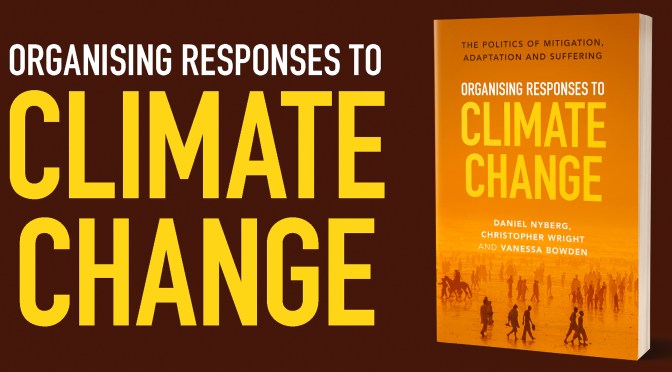
Elke Schuessler from Leuphana University, Lüneburg has recently published this review of our book Organising Responses to Climate Change: The Politics of Mitigation, Adaptation in the journal Organization Studies. It contains some interesting reflections on our analysis and the implications for future management and organization research and is reproduced in full below.

Continue reading Book Review: The Politics of Climate Change

Book Review of “Organising Responses to Climate Change”

Hans Baer from the University of Melbourne has just published a review essay covering eight of the most recent books examining climate change and capitalism. The essay includes a review of our most recent book Organising Responses to Climate Change. The following is an extract from that review essay which can be found in full in the latest issue of the Journal of Australian Political Economy.

Continue reading Book Review of “Organising Responses to Climate Change”

Organising responses to climate change: 2022 in review

2022 has been a particularly busy year in terms of my climate change research and teaching. With my co-researchers we’ve written and published a significant number of new journal articles exploring different aspects of the climate crisis, including:

Continue reading Organising responses to climate change: 2022 in review

Coral Not Coal! The Roles of Celebrities in Climate Change Contestation

Celebrities are increasingly important actors in social disputes, with their high public profiles used to amplify political campaigns and businesses using celebrity endorsements to promote their brands and justify their actions. Celebrities are particularly prominent in climate politics in endorsing green issues, educating citizens about pressing environmental concerns, as well as potentially defending implicated industries from critique.

Continue reading Coral Not Coal! The Roles of Celebrities in Climate Change Contestation

The political economy of the Climate Crisis in the Pacific

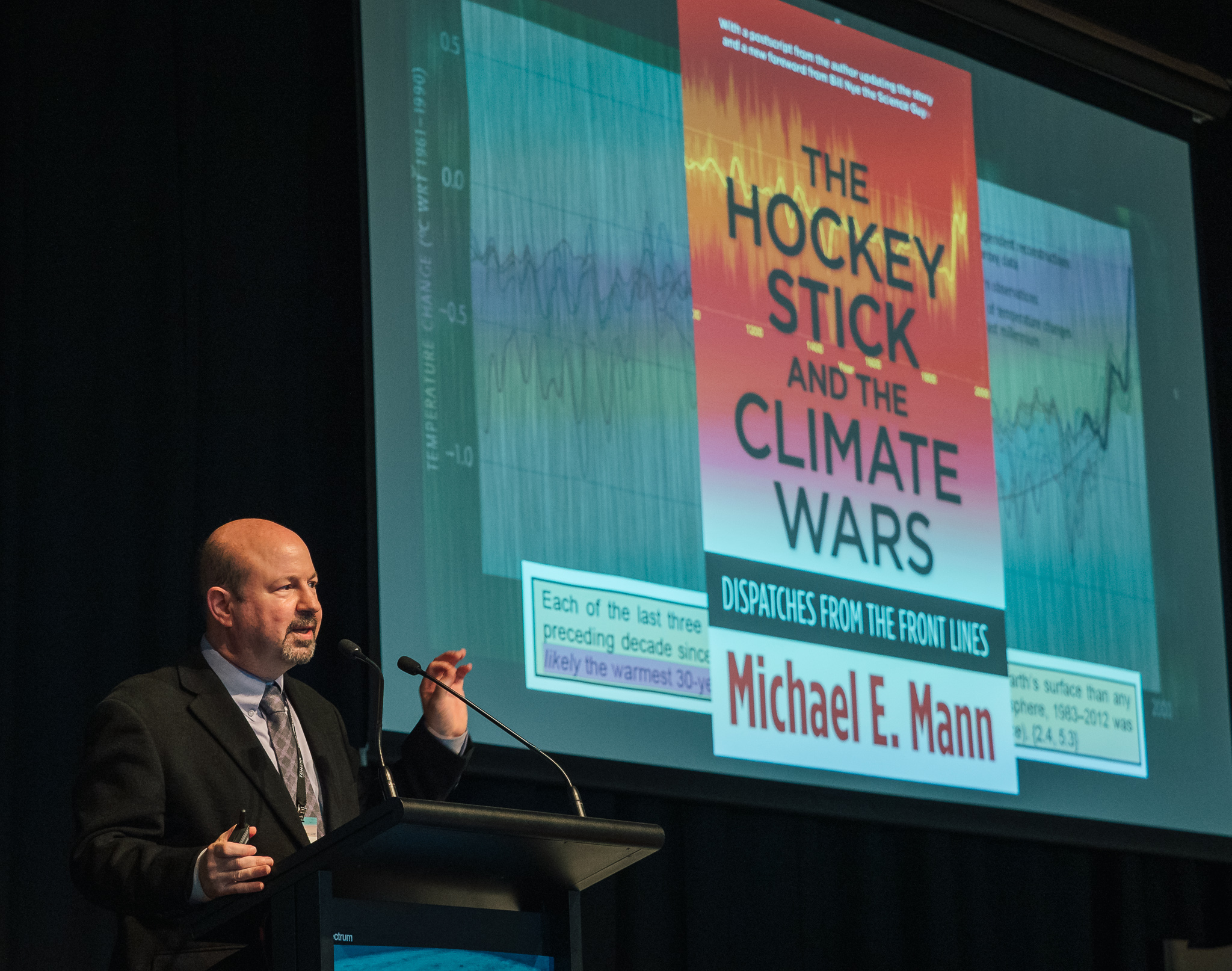
During 2018 I travelled to Wellington in New Zealand to participate in the second Pacific Climate Change Conference hosted by Victoria University and located in the amazing Te Papa Tongarewa Museum. It was a fascinating inter-disciplinary conference featuring international climate scientists such as Professor Michael Mann from Pennsylvania State University, as well as a diversity of social scientists, community representatives and activists from across the Pacific.

Professor Michael Mann outlining the science of climate change (© Christopher Wright)
Continue reading The political economy of the Climate Crisis in the Pacific

Best Critical Paper Winner: “Making Climate Change Fit for Capitalism: The Corporate Translation of Climate Adaptation”

A paper that Daniel Nyberg and I have authored on the corporate translation of climate change has won the best critical paper award at the prestigious Academy of Management conference in Boston, USA.

Our paper focuses on how a growing political response to calls for dramatic decarbonization has been to downplay the role of emissions mitigation and emphasize local forms of climate change adaptation. We explore this issue through the example of corporate responses to the catastrophic coral bleaching of the Great Barrier Reef during 2016/2017 and the process of corporate political activity which encouraged a shift in public debate from climate mitigation to adaptation.

In particular, we identify how corporations create a hegemonic ‘common sense’ view of politically contested issues and how interests are politicized and enacted in public debate. Through these actions, corporate solutions and self-regulation become accepted as the logical response to the climate crisis. Despite the worsening impact of climate change, these corporate responses ensure the maintenance of business as usual.

The research for this paper was generously funded by the Sydney Environment Institute and the University of Sydney Business School.

You can view or download a copy of the paper here.

AOM Paper Award
Daniel Nyberg receiving the AOM 2019 Best Critical paper award from presenters Christos Tsinopoulos and Patrizia Zanoni


A Climate of Denial: Coral Bleaching, Political Obfuscation, and the Climate Crisis

“It was catastrophic, gut wrenching and incredibly disturbing. That was one of the most comprehensive hard coral cover sites on the Reef and all of the coral in the shallows was fully bleached. That’s when we knew that we’d lost that site.”

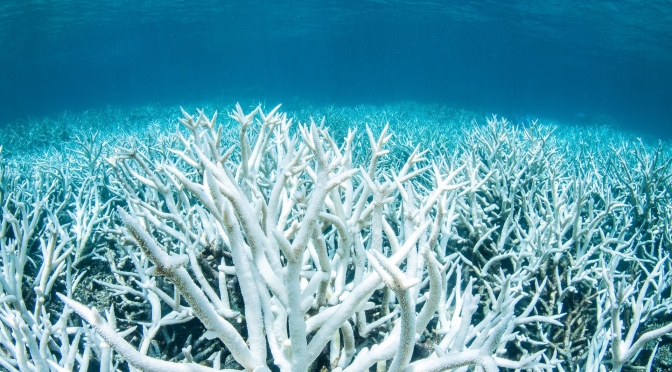
Our guide’s words cut through the sea breeze blustering over the stern of our dive boat. Our tour group of about thirty, were sitting in our wetsuits, warming ourselves after another dive on Opal Reef off Port Douglas, listening to Paul describe his reaction to that first coral bleaching event and trying to make sense of what we had just experienced: “In 2016, the world lost a lot of its living coral and the Great Barrier Reef was no exception. What’s causing it is global warming induced rises in water temperature.” That day we had seen stunning congregations of staghorn and branch coral, delicate sponges, vivid blue giant clams, large boulder corals metres across, and myriad fish coloured in reds and blues and greens darting in and out of our way. But we had also seen large swathes of dead coral on the top of the reef, their skeletal remains just discernible behind a shroud of algae.

Continue reading A Climate of Denial: Coral Bleaching, Political Obfuscation, and the Climate Crisis

Visualizing the Climate Crisis

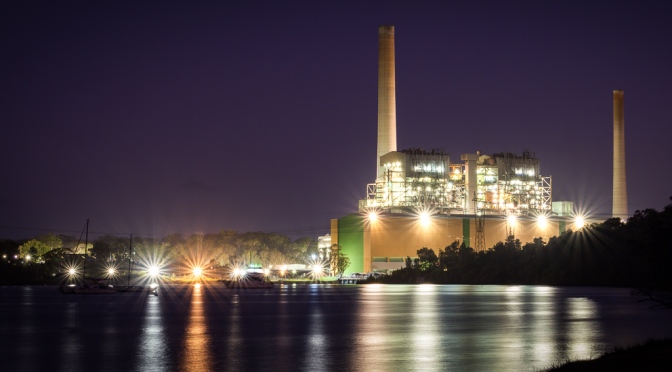
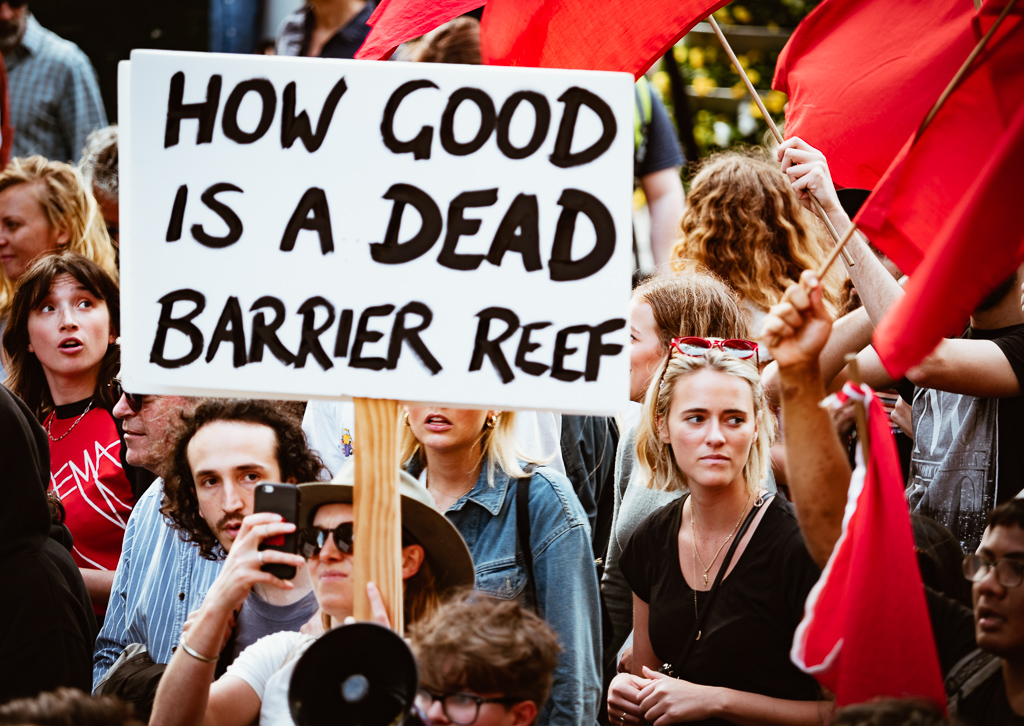
Recently I started exploring the possibility of combining my decade-long research focus on the climate crisis with my passion for photography. This idea began to develop after several years of photographing climate protest rallies and environment related events at the University of Sydney. However, the idea of a dedicated photography project documenting Australia’s fossil fuel addiction and the physical, social and political consequences of climate change really started to gel as I stood on banks of the Hunter River in Newcastle a few months back watching another huge bulk carrier entering the world’s largest coal port to take on another load of climate destroying fossil fuel.

Continue reading Visualizing the Climate Crisis

Organizing in the Anthropocene

Human civilization has now irrevocably altered basic Earth systems. Two centuries of industrialisation and economic globalization based upon the rapacious exploitation of fossil fuels, and the destruction of forests, lands, oceans and cultures has disrupted the Earth’s atmosphere and ice caps and devastated the biosphere. This has occurred at such a scale and pace that Earth scientists argue we are leaving the Holocene geological epoch and entering the more volatile ‘Anthropocene’.

Continue reading Organizing in the Anthropocene

Why Business Won’t Save Us From Climate Change

Climate change is now the ever-present reality of human experience. In recent times we have witnessed a procession of huge hurricanes batter the US and Caribbean, record-breaking monsoons flooding Asia, and in Australia, despite the death of up to half of the Great Barrier Reef in back-to-back coral bleaching events, political support for new mega-coal mines and coal-fired power stations. While there is now clear scientific agreement that the world is on track for global temperature increases of as much as 4 degrees Celsius by century’s end (threatening the very viability of human civilization), our political and economic masters continue to double down on the fossil fuel bet, transforming perhaps the greatest threat to life on this planet into ‘business as usual’.

Continue reading Why Business Won’t Save Us From Climate Change

Changing the World? Academic Impact, Activism and the Neoliberal University

Recently Carl Rhodes, Alison Pullen and I published an article in the journal Organization exploring the reframing of academic impact in the neoliberal university.

In the article we explore how ‘impact’ has become the buzzword of the contemporary university, and the value of academic research is increasingly judged by government, administrators and industry in terms of its contribution to economic growth and productivity. For example, the Australian Research Council (ARC)’s Research Impact Principles and Framework (2015) states that:

‘the Australian Government recognises the importance of research, science and innovation for increasing productivity and wellbeing to achieve long term economic growth for the Australian community’.

Continue reading Changing the World? Academic Impact, Activism and the Neoliberal University

Approaching the precipice? A review of Climate Change, Capitalism and Corporations

Professor Carl Rhodes of the University of Technology Sydney recently published an excellent review of our book Climate Change, Capitalism and Corporations: processes of Creative Self-Destruction in the journal Organization in July 2017. You can read the full review below.

The cover of Christopher Wright and Daniel Nyberg’s Climate Change, Capitalism, and Corporations features the artwork Insatiable by Theodore Bolha and Christopher Davis. The image is dirty, brooding and apocalyptic. At its centre is a naked man, bent over and screaming. An industrial landscape weighs heavy on his back as black smoke pumps into the murky sky. As if about to fall to his knees and crawl, he follows a small group of wild animals all heading to a precipice, seemingly unaware of their impending doom. The image is suggestive of humankind’s bleak destiny wrought at the hands of its own creation yet seemingly beyond its own control. It is an ominous and pessimistic portrayal of the effects of an insatiable industrial machine. Continue reading Approaching the precipice? A review of Climate Change, Capitalism and Corporations

Environmental Politics Review of Climate Change, Capitalism and Corporations

Book Review: Climate Change, Capitalism, and Corporations. Processes of Creative Self-Destruction by Christopher Wright and Daniel Nyberg, Environmental Politics, doi: 10.1080/09644016.2017.1345376

Nathan Lemphers, Department of Political Science, University of Toronto

‘Business as usual’ is no longer an option. In this book, Christopher Wright and Daniel Nyberg probe the roots of the climate crisis and reveal the intractable relationship that capitalism has with the degradation of the environment. Publishing one year after Naomi Klein’s This Changes Everything, Wright and Nyberg echo the sobering refrain that the problem with climate change is not emissions but capitalism. Continue reading Environmental Politics Review of Climate Change, Capitalism and Corporations

Putting Out Fire With Gasoline

Yesterday I talked with the group from Discourse Collective based in the US about climate change and the political economy underpinning the climate crisis. The podcast below links to many of the arguments from our book Climate Change, Capitalism and Corporations: Processes of Creative Self-Destruction, and includes a pretty wide-ranging discussion of where things are heading in our near dystopian future…it also features a remix of David Bowie’s “Cat People” a brilliantly appropriate lead-in to the discussion!